


Rural Vitality and Essential Care Club
Introduction
Rural Vitality and Essential Care Club is a student-oriented academic, community-health, professional, and social-service club designed to develop students' knowledge, skills, leadership, and commitment towards improving the health and well-being of rural communities.
The club focuses on connecting health education, community participation, preventive healthcare, essential care, rural outreach, health promotion, and social responsibility. It provides students with opportunities to understand the health needs of rural populations and participate in practical community-based activities.
The club provides a common platform where students can go beyond classroom learning and apply their theoretical knowledge in real community settings. Through health camps, community surveys, awareness campaigns, screening programmes, health education, demonstrations, home visits, and outreach activities, students develop practical skills and a deeper understanding of community health.
5 Pillars of Rural Vitality and Essential Care Club
- R – Rural Health & Outreach Wing: Community visits, rural health camps, household surveys, home visits, community diagnosis, and health assessment.
- V – Vitality & Wellness Wing: Nutrition, physical activity, mental well-being, hygiene, healthy lifestyle, and prevention of lifestyle-related diseases.
- E – Essential Care Wing: First aid, basic nursing care, maternal and child health, elderly care, emergency awareness, and essential healthcare practices.
- C – Community Awareness Wing: Health education, sanitation, immunization awareness, family welfare, communicable disease prevention, and public-health campaigns.
- A – Advocacy, Research & Action Wing: Community-based research, health needs assessment, documentation, innovation, health advocacy, and evidence-based interventions.
The club aims to develop students into competent, compassionate, socially responsible, confident, and community-oriented healthcare professionals.
Vision
“To promote healthy, empowered, and resilient rural communities through essential healthcare, health education, student participation, and community partnership.”
The vision of the club is to contribute towards improving the health status of rural populations by creating awareness, promoting preventive healthcare, encouraging healthy lifestyles, and developing students with strong community-health competencies.
Objectives of the Rural Vitality and Essential Care Club
-
✓
Community Health PromotionTo promote awareness regarding healthy living, disease prevention, hygiene, sanitation, nutrition, physical activity, and appropriate healthcare practices.
-
✓
Rural Health OutreachTo provide students with opportunities to participate in rural visits, community surveys, home visits, health camps, screening programmes, and health-awareness activities.
-
✓
Essential Healthcare SkillsTo develop students' practical skills in first aid, basic health assessment, vital-sign measurement, health education, counselling, communication, and emergency preparedness.
-
✓
Maternal and Child HealthTo promote awareness regarding antenatal care, postnatal care, breastfeeding, complementary feeding, immunization, child growth and development, and prevention of childhood illnesses.
-
✓
Communicable Disease PreventionTo create awareness regarding tuberculosis, malaria, dengue, diarrhoeal diseases, respiratory infections, leprosy, and other communicable diseases.
-
✓
Non-Communicable Disease PreventionTo promote awareness and screening related to hypertension, diabetes, obesity, cardiovascular diseases, cancer, and other lifestyle-related health problems.
-
✓
Nutrition and WellnessTo encourage balanced nutrition, prevention of nutritional deficiencies, physical activity, mental well-being, and healthy lifestyle practices.
-
✓
Health EducationTo develop students' ability to provide effective health education through demonstrations, posters, pamphlets, street plays, group discussions, and community meetings.
-
✓
Leadership DevelopmentTo provide students with opportunities to plan, organize, coordinate, implement, and evaluate community-health programmes.
-
✓
Research and Community DiagnosisTo encourage students to identify community health problems through surveys, data collection, community diagnosis, and health needs assessment.
-
✓
Social ResponsibilityTo develop empathy, professional ethics, teamwork, community participation, and a sense of responsibility towards underserved populations.
Club Patrons

Mr. Pavan Kumar Tyagi
Faculty of Nursing, Major S.D. Singh University
The Faculty Coordinator serves as the primary academic and administrative guide of the Rural Vitality and Essential Care Club.
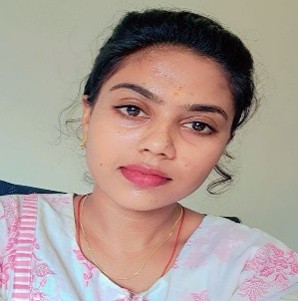
Ms. Malti Shakya
Faculty of Nursing, Major S.D. Singh University
The Faculty Co-Coordinator assists the Faculty Coordinator in planning and implementing activities, communicating with students, maintaining records, coordinating student committees, and ensuring smooth execution of programmes.

- ✓ Membership Eligibility — Membership of the Rural Vitality and Essential Care Club may be open to students of the concerned institution, subject to institutional rules and guidelines. Students from different healthcare and allied programmes may participate in club activities.
- ✓ Discipline and Professionalism — Every member should maintain discipline and professional behaviour at all times.
- ✓ Respect — Members must respect faculty coordinators, healthcare professionals, community members, and fellow students.
- ✓ Ethical Conduct — All members must follow ethical principles during community activities.
- ✓ Confidentiality — Members must maintain confidentiality of community and individual health information.
- ✓ Innovation — Members should contribute innovative ideas for the development of the club.
- ✓ Programme Support — Members are expected to support the planning and organization of programmes.
- ✓ Teamwork — Members are required to work effectively as team members.
- ✓ Institutional Dignity — Members must maintain the dignity and reputation of the institution at all times.
- ✓ Encouraging Participation — Members should encourage other students to participate in community-health activities.
- ✓ Recognizing Active Participation — Active participation may be recognized through certificates, appreciation, responsibilities, awards, or other forms of institutional recognition.